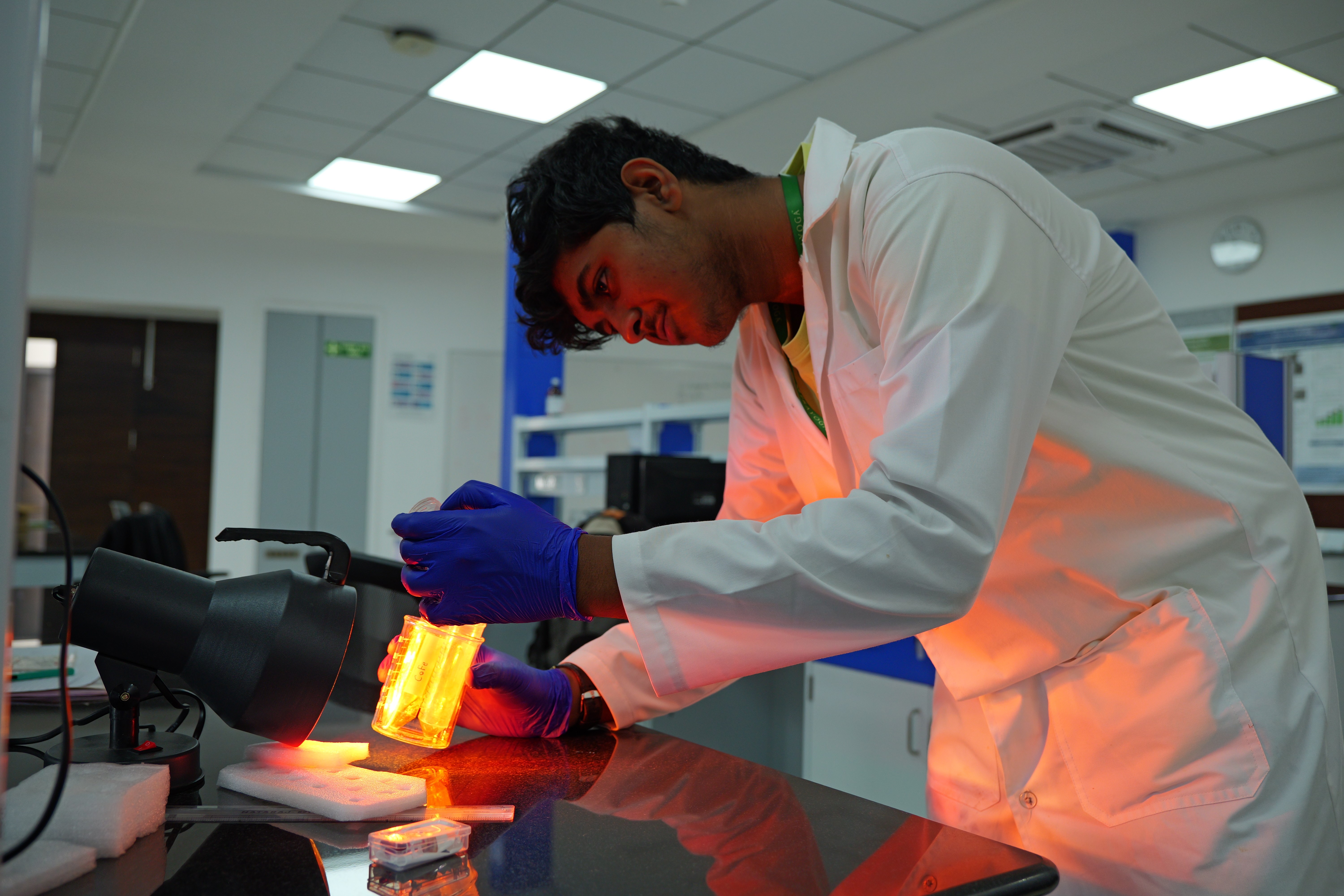
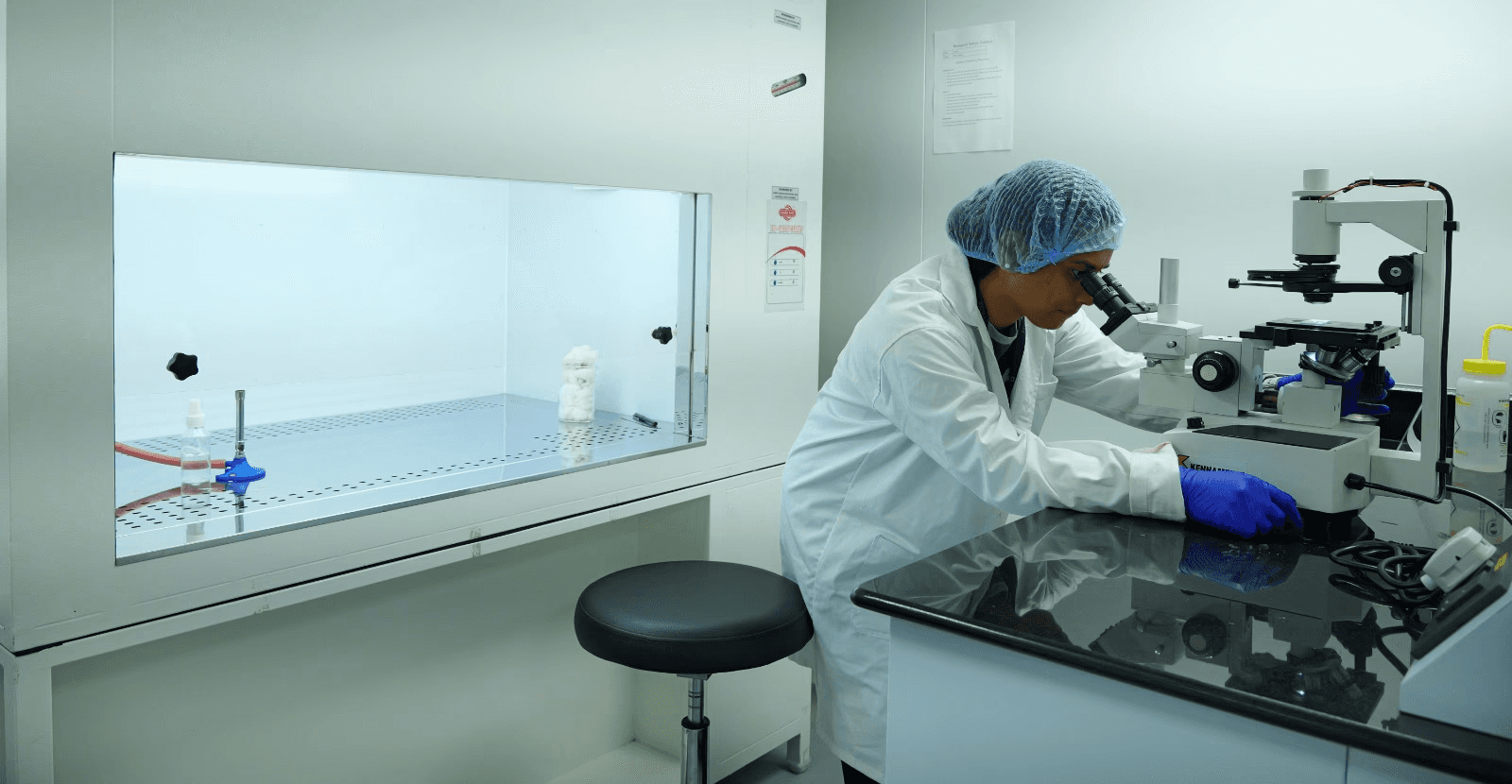
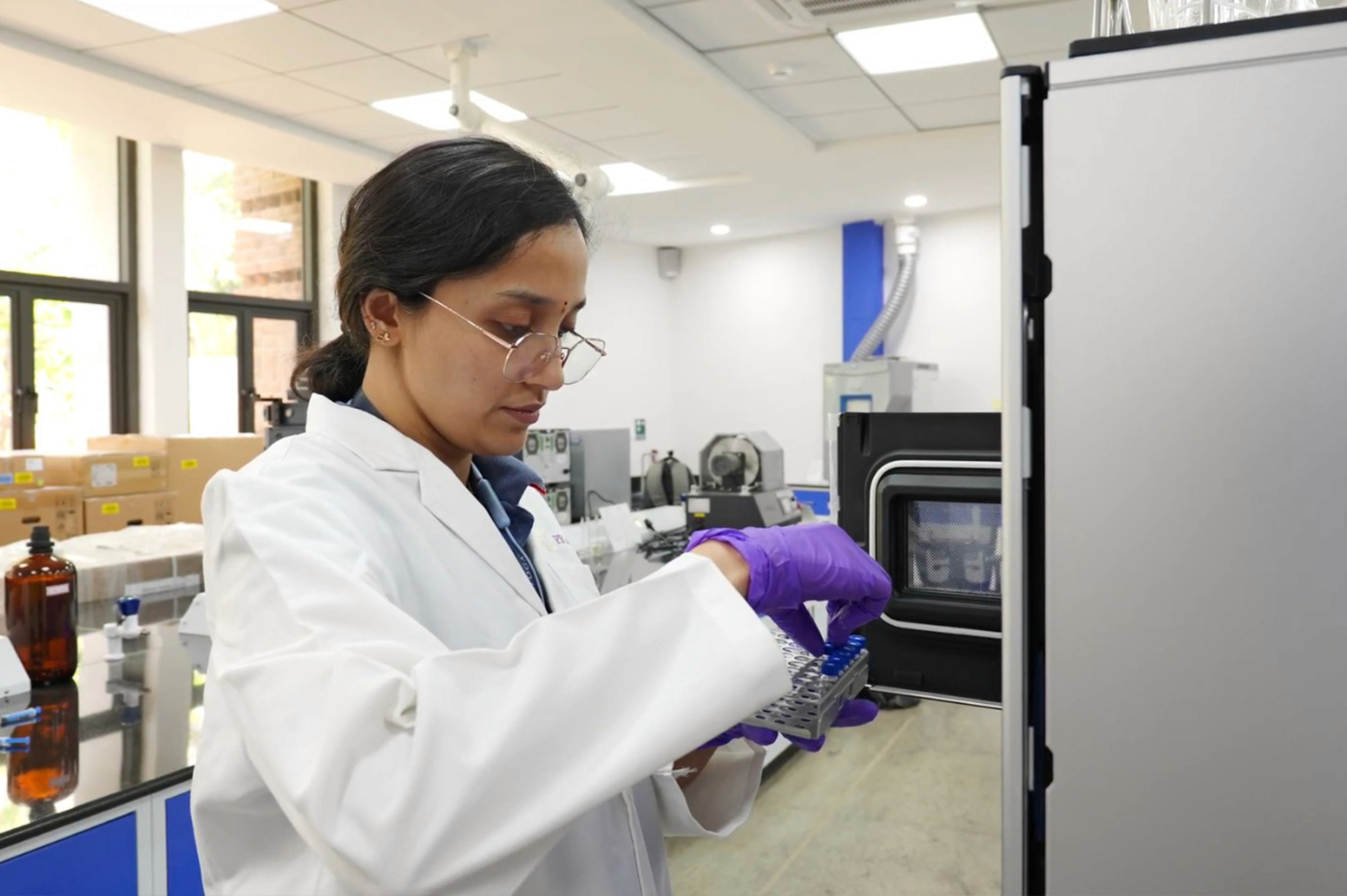
Thematic Research

Thematic Research

Thematic Research

Thematic Research

The objective is to work on aspects of science to make meaningful contributions for the society and environment at large in the days to come.

Green chemistry and technologies

Prayogas , Green Chemistry and Sustainable Technologies research develops eco-friendly materials and processes that reduce dependence on hazardous chemicals and non-renewable resources. Guided by sustainability and circular economy principles, the work focuses on safer, resource-efficient alternatives for real-world applications.
Advanced and Functional Materials

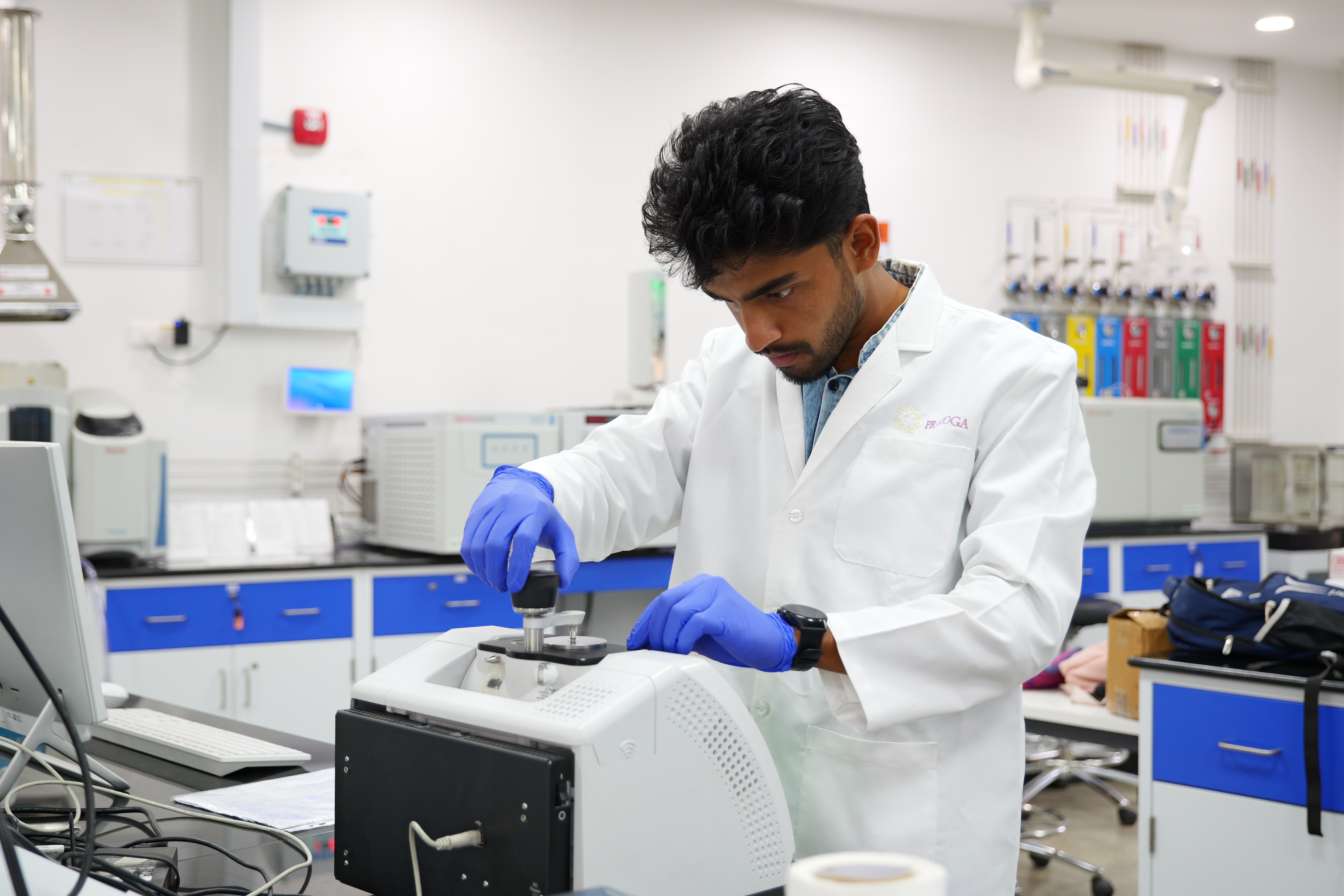
Prayogas , research in Advanced and Functional Materials focuses on designing and synthesizing innovative materials with tailored properties for applications in technology, energy, healthcare, and engineering. By combining chemistry, nanotechnology, and materials science, the work explores materials with unique optical, electrical, magnetic, and mechanical capabilities.
Wellness

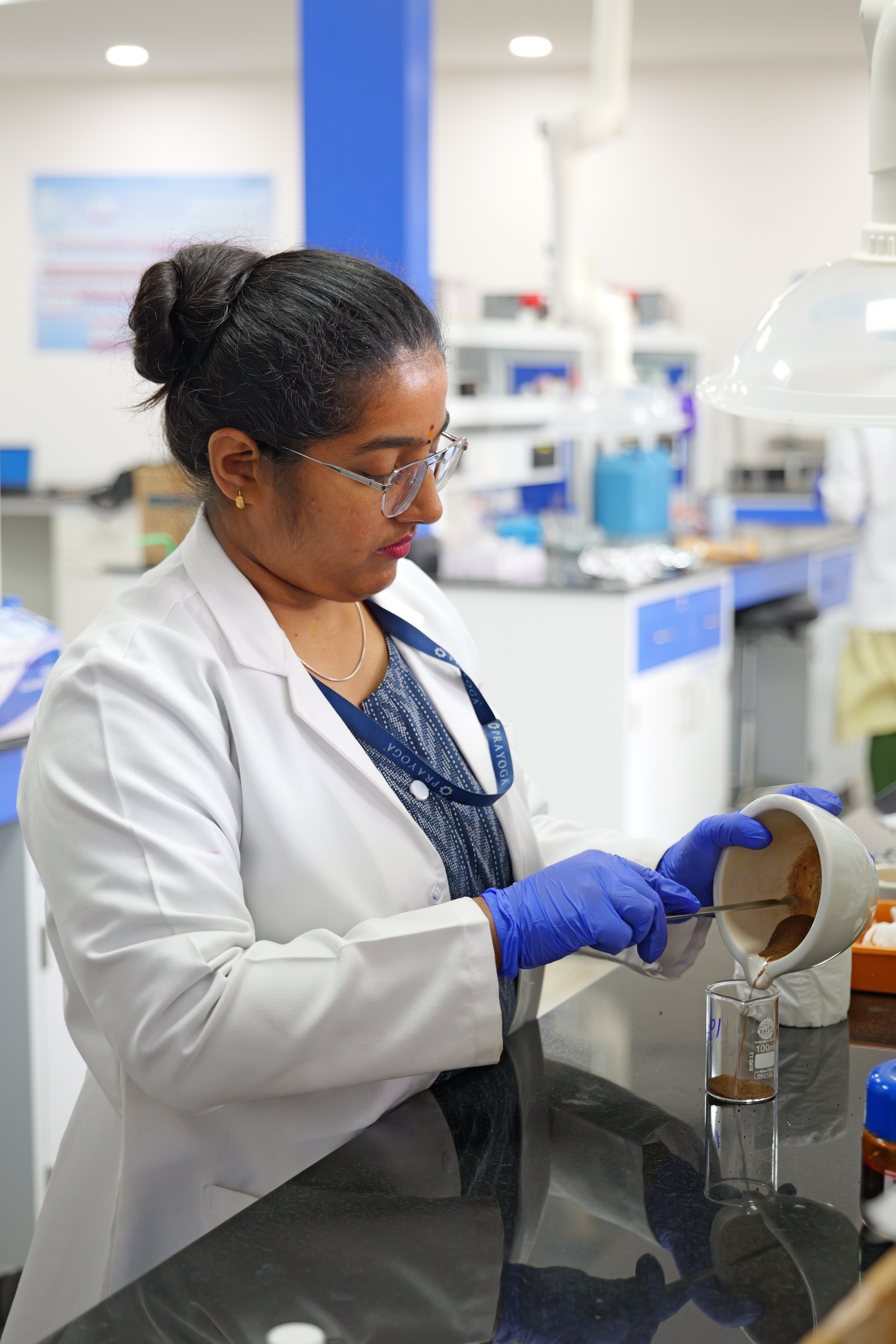
Prayoga ,elness research focuses on life sciences innovations in protein chemistry, enzymes, synthetic peptides, and bioactive compounds to address health and wellness challenges. The work spans diagnostics, therapeutics, non-invasive disease detection, and the study of plant and microbial metabolites for medicinal and environmental applications.
Food and Agriculture

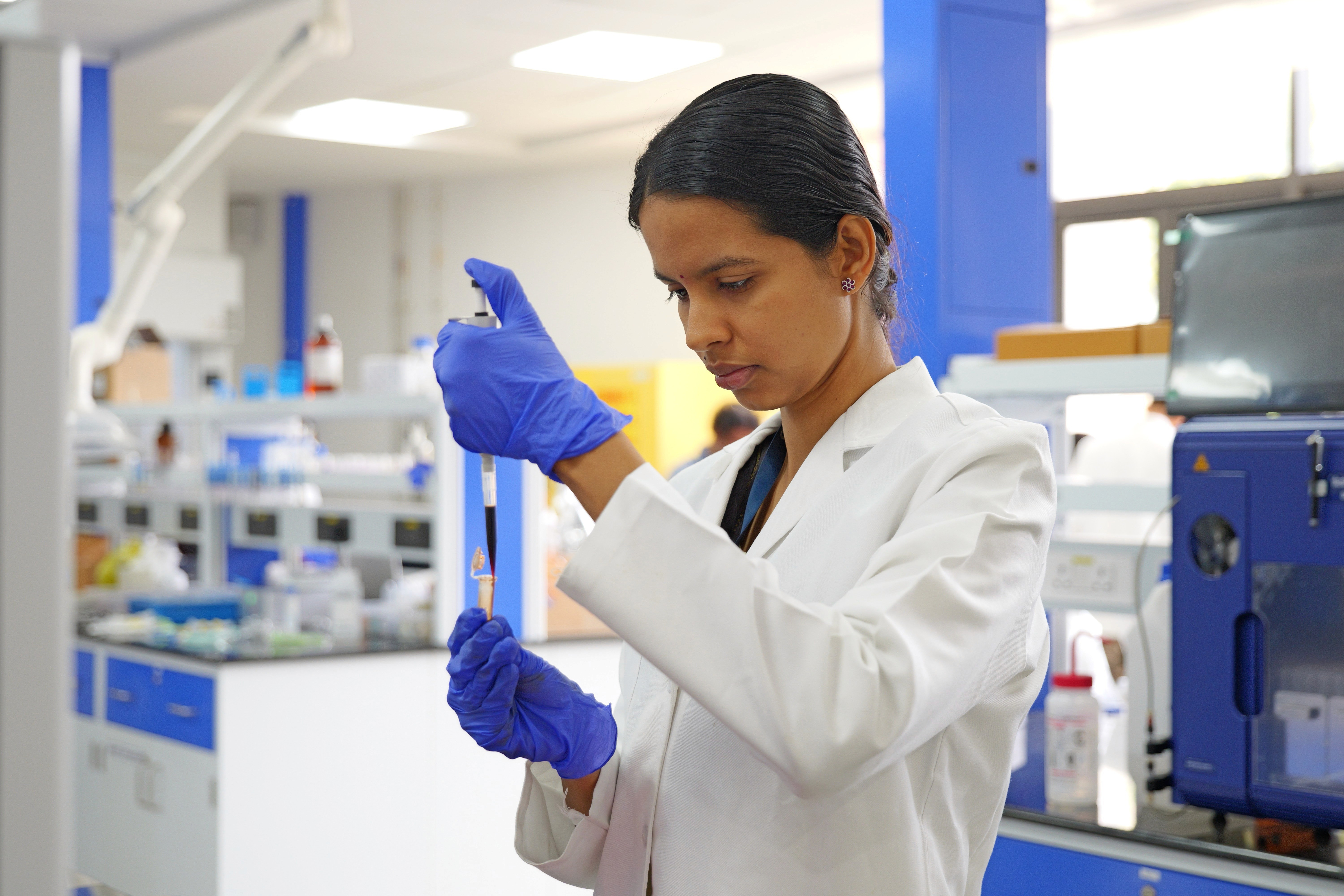
Prayogas , Food and Agriculture research develops innovative solutions to improve food security, nutrition, and sustainable farming practices. The work focuses on crop improvement, nutraceuticals, micronutrient fortification, pest management, and reducing post-harvest losses through science-driven approaches.
Earth Sciences

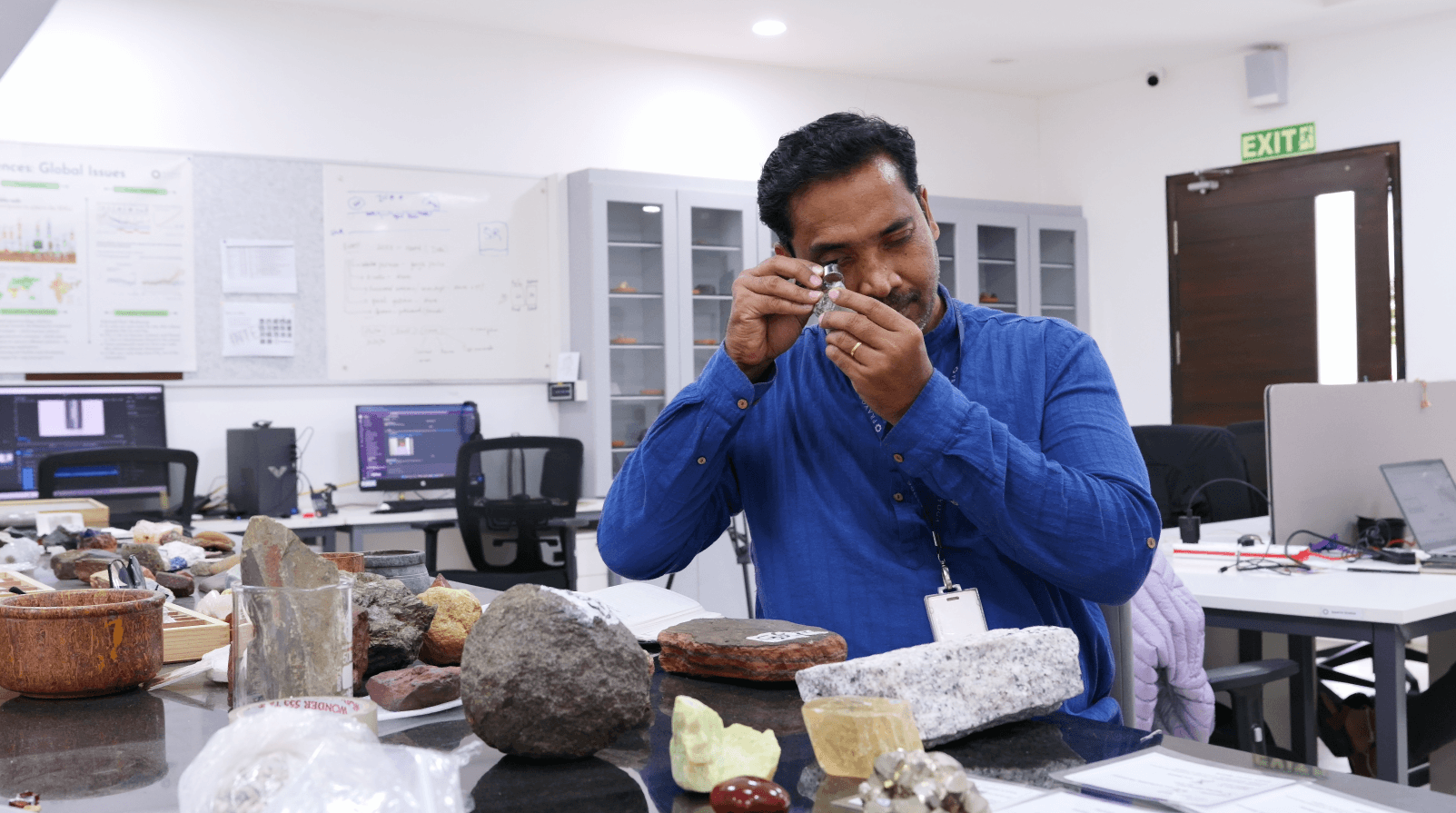
Prayoga , Earth Sciences research focuses on understanding natural processes to support sustainable development, water security, and climate resilience. The work explores carbon sequestration, hydrogeology, soil health, and bio-mediated technologies to improve agricultural productivity and address environmental challenges.

Green chemistry

The Green Chemistry and Sustainable Technologies research at Prayoga focuses on developing environmentally sustainable materials, chemical systems, and processes that reduce reliance on hazardous substances and non-renewable resources. The work is guided by the principles of sustainability, circular economy, and resource efficiency. This thematic area spans bio-based materials, green synthesis pathways, and sustainable industrial substitutes, with an emphasis on replacing conventional systems that pose environmental and health risks.

Development of sustainable leather alternatives from natural and eco-friendly resources. Conventional leather production involves chemically intensive tanning processes that generate hazardous waste and depend on non-renewable resources. This project develops biodegradable, plant-based composites that replicate leather’s strength, flexibility, and surface finish while ensuring environmental compatibility. Natural fibres and biomass-derived materials are processed under controlled conditions to form leather-like structures. Multiple formulations are tested to optimize mechanical performance, durability, and aesthetics, with applications targeted toward apparel, automotive interiors, and upholstery sectors.

Development of sustainable leather alternatives from natural and eco-friendly resources. Conventional leather production involves chemically intensive tanning processes that generate hazardous waste and depend on non-renewable resources. This project develops biodegradable, plant-based composites that replicate leather’s strength, flexibility, and surface finish while ensuring environmental compatibility. Natural fibres and biomass-derived materials are processed under controlled conditions to form leather-like structures. Multiple formulations are tested to optimize mechanical performance, durability, and aesthetics, with applications targeted toward apparel, automotive interiors, and upholstery sectors.


Saponin-Mediated Green Synthesis of Copper Oxide Nanoparticles for Environmental Applications 


Conventional nanoparticle synthesis relies on synthetic stabilizers that can be toxic and environmentally harmful. This project explores the use of saponins, natural surfactants, as sustainable stabilizing agents for synthesizing metal oxide nanoparticles, particularly copper oxide. Saponins are extracted through aqueous methods and used as capping agents during synthesis.  

The process is optimized to achieve stable particles with controlled morphology. The resulting nanoparticles are evaluated for photocatalytic activity, antimicrobial properties, and potential environmental applications, especially in water purification systems. 


Development of Biodegradable Sponge Materials from Natural Polymers and Agricultural Waste 


Polyurethane foams used for decorative and absorbent applications are non-biodegradable and contribute to microplastic pollution, creating environmental concerns. This project develops a biodegradable sponge material using natural polymers and agricultural waste to replicate water absorption, retention, and structural properties of conventional foams.  

Various formulations of polymers, fibers, and crosslinking systems are being designed to create porous structures. These are optimized for strength, retention, and biodegradability, and evaluated against commercial foams through application-based performance testing. 

Working under the thematic area of Green Chemistry and Technologies, Mahika N M, Anveshana student researcher 2025 explored how sustainable leather alternatives can be naturally coloured using biodegradable materials. 
Her project—“Imparting Different Colours to Sustainable Leather Alternatives Using Natural, Biodegradable Materials”—was guided by Dr. Subhadip Senapati and  Parikshit Kumar, who helped her explore the world of science. 

Green chemistry and technologies

Green chemistry and technologies

Key Research Projects

Key Research Projects

Advanced and Functional Materials

Advanced and functional materials drive modern innovations across scientific and engineering fields. Designed with tailored properties, they serve diverse applications ranging from electronics and aerospace to renewable energy, biosensors, and biomedicine. Prayoga aims to lead in the design and synthesis of such materials by leveraging advanced research in chemistry, nanotechnology, and materials science. These efforts focus on synthesizing and characterizing materials with varied sizes, shapes, and structures that exhibit unique optical, magnetic, electrical, and mechanical properties

Advanced and Functional Materials

Key Research Projects

Key Research Projects

Engineering Biodegradable Piezoelectric Materials for Self-Powered Wearable Sensing Applications 


Conventional electronic sensors often contribute to electronic waste and require external power sources. There is growing interest in self-powered and environmentally benign sensing systems. 

The objective is to develop biodegradable piezoelectric materials that can convert mechanical stress into electrical signals, enabling self-powered sensing applications. Biocompatible and biodegradable materials are engineered to exhibit piezoelectric behavior. These materials are fabricated into sensor structures and evaluated for energy generation efficiency, sensitivity, and durability, particularly in wearable and low-power applications. 

Development of Flexible and Transient Electronic Systems for Wearable and Biomedical Applications Modern electronic systems increasingly require flexibility and adaptability, particularly in wearable and biomedical applications. Conventional rigid electronics limit such applications. The project focuses on developing flexible and transient electronic systems that can operate reliably under mechanical deformation and, where required, degrade after use. Flexible substrates and conductive materials are combined to create bendable electronic systems. Mechanical and electrical performance are evaluated under repeated deformation to ensure reliability in real-world use cases.

Development of Superhydrophobic Carbon-Based Nanoparticle Coating for Anti-Icing Applications 


Ice accumulation on surfaces poses significant challenges in aerospace, energy systems, and infrastructure, affecting performance and safety. 

The project aims to develop nanostructured surface coatings that prevent ice formation and adhesion. Surface engineering techniques are used to create coatings with specific micro- and nano-scale features that reduce ice nucleation and adhesion. Performance is evaluated under simulated environmental conditions to assess effectiveness and durability. 

Design and Development of Ferrite-Based Flexible Films for Electromagnetic Shielding 


Ferrites are widely used for their magnetic properties, making them suitable for electromagnetic (EM) shielding applications. By modifying their composition, their performance can be tuned for specific needs. 

This project focuses on developing ferrite-based materials and incorporating them into flexible films to block electromagnetic radiation. Different compositions are studied to understand how effectively they absorb radiation at various frequencies. The goal is to identify optimal material combinations that provide efficient shielding while maintaining stability and practical usability

Sunay P Mittal and Hrishikesh Narayanan, student researchers from Anveshana, mentored by Dr. Omprakash and Research Associate Pooja V D, presented their research project, “Investigating the EM Shielding of ZnXCo1−XFe2O4 in PVA Matrix”, at the IRIS National Fair in Delhi. 

Wellness

Wellness area focuses on diverse branches of life sciences, emphasizing protein-rich foods, protein chemistry, and synthetic peptides for various applications. Research includes enzymology and secondary metabolites to address health and wellness challenges. Efforts involve isolating enzymes from microbial sources for diagnostic, therapeutic, and environmental use. Non-invasive disease detection and treatment using advanced materials and instruments are key areas. Studies also explore plant and microbial secondary metabolites, including their isolation, purification, and evaluation for biological and medicinal applications.


Chemical Characterization and Anti-Hyperglycemic Efficacy of Ayurvedic Formulations 


Many Ayurvedic formulations are clinically effective in managing conditions such as type 2 diabetes, but their molecular mechanisms remain insufficiently understood. The project aims to identify and characterize bioactive compounds in selected formulations and understand their role in anti-hyperglycemic activity. 


The study involves extraction and fractionation of compounds followed by analytical characterization using HPLC, LC-MS, and GC-MS. Computational studies are conducted to evaluate binding affinities with relevant biological targets, and in-vitro assays are performed to assess antioxidant and antidiabetic activity. This integrated approach enables a comprehensive understanding of compound-function relationships. 


Chemical Characterization and Anti-Hyperglycemic Efficacy of Ayurvedic Formulations 


Many Ayurvedic formulations are clinically effective in managing conditions such as type 2 diabetes, but their molecular mechanisms remain insufficiently understood. The project aims to identify and characterize bioactive compounds in selected formulations and understand their role in anti-hyperglycemic activity. 


The study involves extraction and fractionation of compounds followed by analytical characterization using HPLC, LC-MS, and GC-MS. Computational studies are conducted to evaluate binding affinities with relevant biological targets, and in-vitro assays are performed to assess antioxidant and antidiabetic activity. This integrated approach enables a comprehensive understanding of compound-function relationships. 

Synthesis and Evaluation of Piperidone Derivatives for Anticancer Activity 


Medicinal chemistry emphasizes heterocyclic compounds for their diverse biological activities and therapeutic potential. This project focuses on designing and synthesizing novel piperidone-based derivatives to explore their anticancer properties. Chemical synthesis is carried out to generate new compounds, followed by structural characterization and validation.  


The compounds are then evaluated through biological studies to assess their activity and effectiveness. The study aims to understand structure–activity relationships and identify promising candidates for further development as anticancer agents. 

Synthesis and Evaluation of Piperidone Derivatives for Anticancer Activity 


Medicinal chemistry emphasizes heterocyclic compounds for their diverse biological activities and therapeutic potential. This project focuses on designing and synthesizing novel piperidone-based derivatives to explore their anticancer properties. Chemical synthesis is carried out to generate new compounds, followed by structural characterization and validation.  


The compounds are then evaluated through biological studies to assess their activity and effectiveness. The study aims to understand structure–activity relationships and identify promising candidates for further development as anticancer agents. 

Plastic pollution is no longer an environmental problem, it is nutritional. Anveshana students from Prayoga have detected microplastics in salt!  
What is entering the oceans is now finding its way back to us, carried through the very foods we consume. From plastic particles to fine nylon fibers, the findings are a reminder that the choices we make today directly shape the health of tomorrow.  

Plastic pollution is no longer an environmental problem, it is nutritional. Anveshana students from Prayoga have detected microplastics in salt!  
What is entering the oceans is now finding its way back to us, carried through the very foods we consume. From plastic particles to fine nylon fibers, the findings are a reminder that the choices we make today directly shape the health of tomorrow.  

Wellness

Wellness

Key Research Projects

Key Research Projects

Key Research Projects

Food and Agriculture

To address global food security challenges driven by population growth, research in Food and Agriculture focuses on innovative and practical solutions. Key areas include the application of materials science in food, nano-bio composites, nutraceuticals, and micronutrient fortification. Research also targets improving crop yields, pest management, and reducing post-harvest losses. Efforts include developing formulations to combat malnutrition and creating pest- and drought-resistant, high-yield plant varieties. Additionally, scientific validation of Indian culinary practices forms an important component of this theme. Earth Eciences The Earth Sciences department focuses on understanding natural processes

Food and Agriculture

Key Research Projects

Key Research Projects

Systemic Revitalization of the Arecanut Ecosystem 


Arecanut cultivation in Karnataka and Kerala faces challenges from leaf spot disease, causing yield loss and increased chemical dependence. This project investigates ecological drivers of disease by assessing soil, plants, and environmental health. Large-scale field sampling across plantations includes soil, roots, leaves, water, and associated systems.  


Comparative analysis between healthy and affected areas identifies key differences. Integrating plant pathology, soil science, and agronomy, the study develops bio-based formulations and management strategies to restore ecological balance and reduce disease incidence sustainably. 

Systemic Revitalization of the Arecanut Ecosystem 


Arecanut cultivation in Karnataka and Kerala faces challenges from leaf spot disease, causing yield loss and increased chemical dependence. This project investigates ecological drivers of disease by assessing soil, plants, and environmental health. Large-scale field sampling across plantations includes soil, roots, leaves, water, and associated systems.  


Comparative analysis between healthy and affected areas identifies key differences. Integrating plant pathology, soil science, and agronomy, the study develops bio-based formulations and management strategies to restore ecological balance and reduce disease incidence sustainably. 

In this video, researchers from Prayoga Institute of Education Research explain how a novel, non-destructive microscopy technique revealed adulteration in commercially available besan samples from Bengaluru. Even edible adulterants can affect nutrition and consumer trust.

In this video, researchers from Prayoga Institute of Education Research explain how a novel, non-destructive microscopy technique revealed adulteration in commercially available besan samples from Bengaluru. Even edible adulterants can affect nutrition and consumer trust.

In this video, researchers from Prayoga Institute of Education Research explain how a novel, non-destructive microscopy technique revealed adulteration in commercially available besan samples from Bengaluru. Even edible adulterants can affect nutrition and consumer trust.

Sarah Mariam Vino, a high school student from Kerala and an Anveshana 2025 participant, explored how everyday fried foods can contain acrylamide, a potentially harmful compound. Together with her team, Sarah collected food samples from Bengaluru’s iconic food streets to analyse acrylamide levels.

Sarah Mariam Vino, a high school student from Kerala and an Anveshana 2025 participant, explored how everyday fried foods can contain acrylamide, a potentially harmful compound. Together with her team, Sarah collected food samples from Bengaluru’s iconic food streets to analyse acrylamide levels.

Sarah Mariam Vino, a high school student from Kerala and an Anveshana 2025 participant, explored how everyday fried foods can contain acrylamide, a potentially harmful compound. Together with her team, Sarah collected food samples from Bengaluru’s iconic food streets to analyse acrylamide levels.

Earth Sciences

The Earth Sciences department focuses on understanding natural processes and enabling sustainable development to support water and food security under changing climatic conditions. Research addresses global warming through carbon sequestration in soils, mineral-microbe interactions, and enhanced rock weathering. Hydrogeological studies aim to develop sustainable strategies for river rejuvenation and future water needs. Climate research emphasizes carbon dioxide capture, utilization, and sequestration. Overall, the projects aim to develop bio-mediated technologies to improve agricultural productivity and soil ecosystem health

The Earth Sciences department focuses on understanding natural processes and enabling sustainable development to support water and food security under changing climatic conditions. Research addresses global warming through carbon sequestration in soils, mineral-microbe interactions, and enhanced rock weathering. Hydrogeological studies aim to develop sustainable strategies for river rejuvenation and future water needs. Climate research emphasizes carbon dioxide capture, utilization, and sequestration. Overall, the projects aim to develop bio-mediated technologies to improve agricultural productivity and soil ecosystem health

Earth Sciences

Key Research Projects

Key Research Projects

Drone-Based Assessment of Lake–Catchment Connectivity 


Urbanization and land-use changes have disrupted natural lake systems, affecting water flow, storage, and ecological balance. The project aims to assess lake–catchment connectivity and understand hydrological dynamics to support lake rejuvenation efforts. 


Drone-based surveys are conducted to map terrain, drainage patterns, and catchment characteristics. The collected data is analyzed to identify disruptions in water flow and connectivity, enabling the development of targeted restoration strategies. 

Drone-Based Assessment of Lake–Catchment Connectivity 


Urbanization and land-use changes have disrupted natural lake systems, affecting water flow, storage, and ecological balance. The project aims to assess lake–catchment connectivity and understand hydrological dynamics to support lake rejuvenation efforts. 


Drone-based surveys are conducted to map terrain, drainage patterns, and catchment characteristics. The collected data is analyzed to identify disruptions in water flow and connectivity, enabling the development of targeted restoration strategies. 

At Prayoga, Earth Sciences is a core research domain. Through pioneering research and systemic approaches, we explore the dynamic interplay of land, water, atmosphere, and life. Additionally, we also focus on educating the youth about geoscience, sustainability and globally challenging climate crises.  

At Prayoga, Earth Sciences is a core research domain. Through pioneering research and systemic approaches, we explore the dynamic interplay of land, water, atmosphere, and life. Additionally, we also focus on educating the youth about geoscience, sustainability and globally challenging climate crises.  

At Prayoga, Earth Sciences is a core research domain. Through pioneering research and systemic approaches, we explore the dynamic interplay of land, water, atmosphere, and life. Additionally, we also focus on educating the youth about geoscience, sustainability and globally challenging climate crises.  


Geoelectrical Investigation of Lake Stratigraphy and Recharge Potential 


Understanding subsurface characteristics is critical for evaluating water storage and recharging potential in lake systems. The objective is to assess lake stratigraphy and groundwater recharge potential using geophysical techniques. 

Geoelectrical surveys are conducted to map subsurface layers and identify zones with high recharge potential. The data is interpreted to provide insights into water movement, storage capacity, and restoration opportunities. 


Geoelectrical Investigation of Lake Stratigraphy and Recharge Potential 


Understanding subsurface characteristics is critical for evaluating water storage and recharging potential in lake systems. The objective is to assess lake stratigraphy and groundwater recharge potential using geophysical techniques. 

Geoelectrical surveys are conducted to map subsurface layers and identify zones with high recharge potential. The data is interpreted to provide insights into water movement, storage capacity, and restoration opportunities.